The last two lessons were about the team — the seven green shots and the plays the whole line builds together. This one zooms all the way in to the moment that decides most goals: you, the puck, and one goalie. Coaches love to shout “Pick a corner!” — but the corner your eyes see and the corner the puck sees are two completely different things.
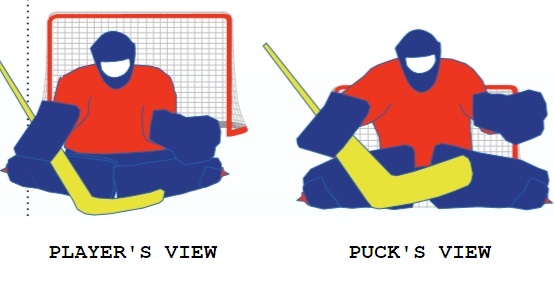
That’s the idea of the “Puck Eye.” Your eyes sit a couple of feet above the puck, so from up there the top of the net can look wide open. But the shot leaves from the puck’s angle, down at ice level — and from down there the goalie is covering far more than you think. Learn to see the net the way the puck does, and you stop firing into the goalie’s chest.
When to shoot
Most missed chances aren’t bad shots — they’re good shots taken at the wrong moment. Before you pull the trigger, look for one of these four green lights:
1) See “white mesh.” Shoot from inside the house when you can actually see net behind the goalie — ideally just before the hash marks. If all you see is pads and chest, you’re shooting at a save.
2) The goalie is deep in their net. A goalie hanging back on the goal line has given you the room. Take it.

3) You can’t see the goalie’s eyes. If you can’t see their eyes, they can’t see the puck — so shoot through the screen. They can only save what they can react to.
4) The goalie isn’t SET. Right after a pass across the Slot Line, after you’ve skated laterally, or after you’ve changed your shooting angle — that half-second before they’re square is when the net is biggest.
Make something out of nothing
Sometimes the goalie has taken away the whole net and there’s nothing clean to shoot at. Firing anyway just feeds them the puck. This is where poise beats power — the same way moving the puck sideways opens up an outside shot, moving it sideways in tight pries the goalie open.
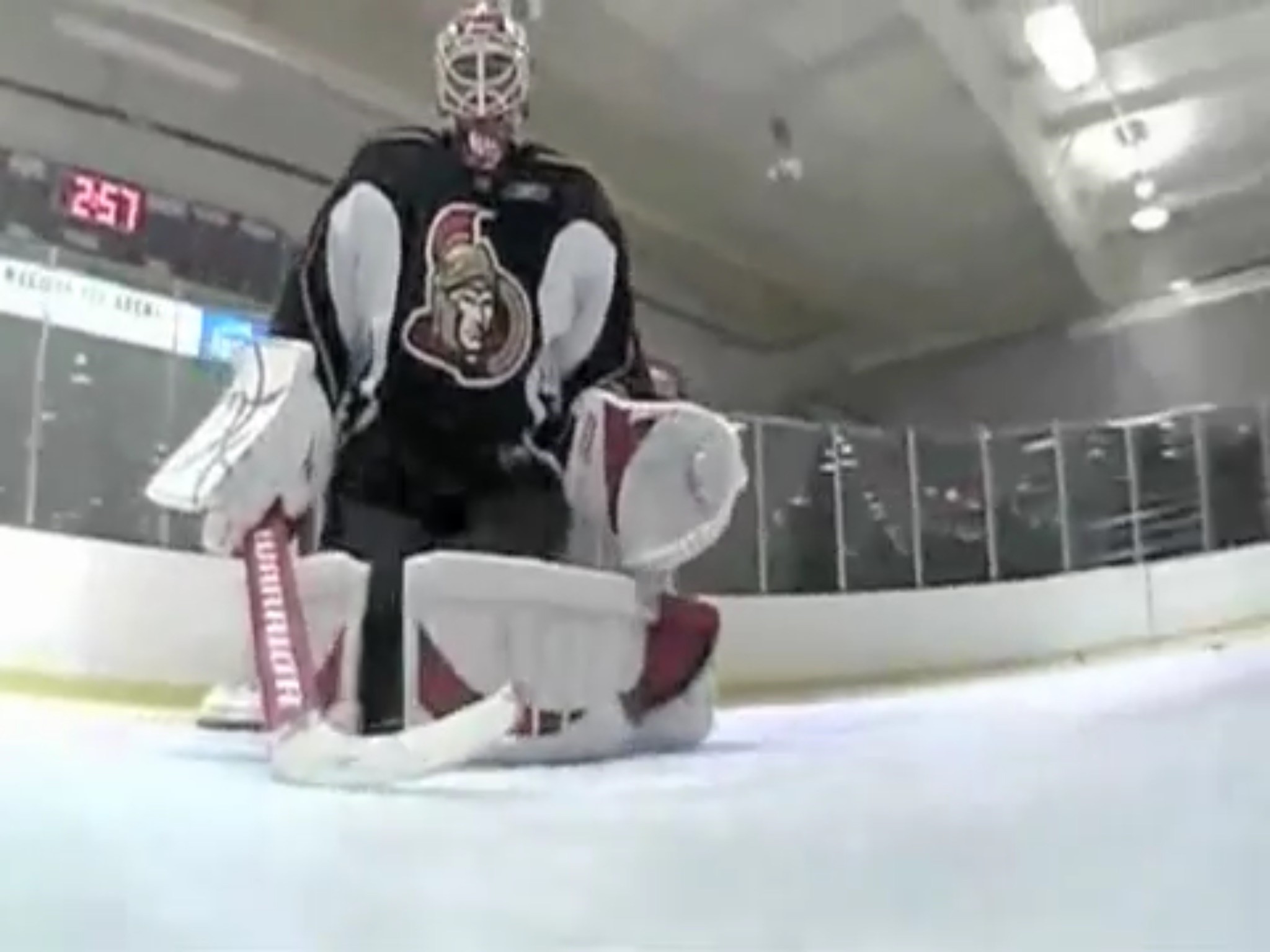
When a goalie slides across, they use their arms and upper body for momentum — and a hole opens between their arm and body. Sliding also splits their pads, so the five-hole between the legs appears. And the far post opens up after a quick move sideways, or off a long deke if you have the speed to beat them across the crease.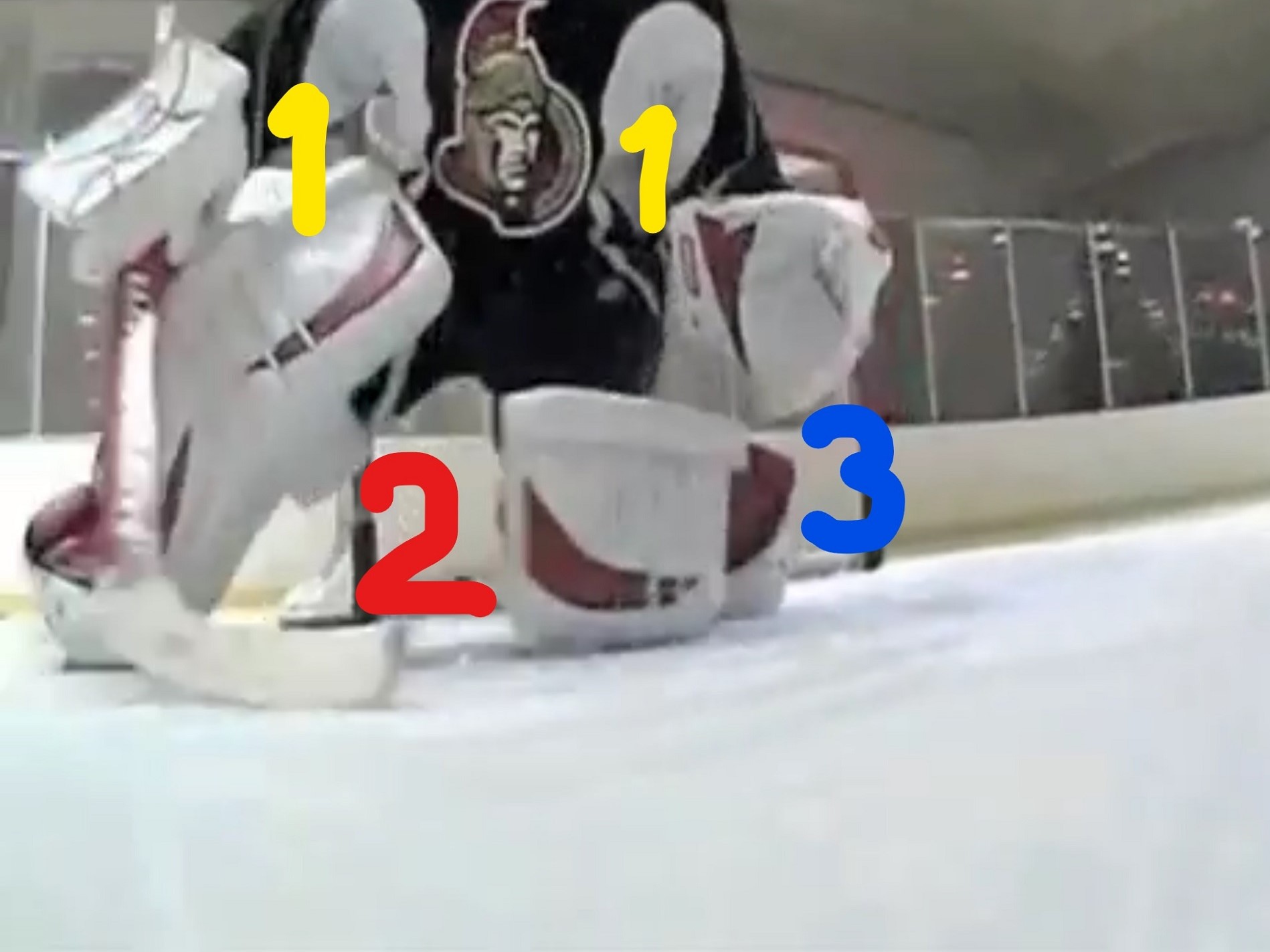
The trick is to hold the puck until the far side of the crease so the goalie has to stretch as far as possible — and to read them.
Force a goalie hard onto one post and they have a long way to travel back; take whatever they give you.
When you’re two
On a 2-on-1 or 2-on-0, your best weapon is misinformation — making the goalie (and the defenders) believe one thing while you do another.
Fake the shot, then pass. Sell a real shot so the goalie stays square to you and doesn’t cheat toward your teammate. Even when you know the whole way that you’re passing, make them bite first — then slide it across for a tip-in. Shooting from there is a low-percentage play; the pass turns it into a green shot.
Make the goalie commit, then choose. Drive toward the net and line up like you’re going to fire. If the goalie commits to you, pass across to the open teammate. If they cheat to the pass, shoot the opening. The further you pull the goalie to one side, the harder it is for them to get back across to save the pass.
This week’s practice tips
Fake shot & “push out.” Make a believable fake so the goalie makes the first move and drops. Start with the puck even with or behind your skates, plant your outside leg to load it up, and keep the puck on your forehand the whole times so you can just push your hands out and slide it to the open side — and shoot quicker.
Change the shooting angle (“pull in”). Keep the puck outside and even with your skates so the goalie lines up to it, then pull the puck in toward your body and release from a mid-body position with your hands out front. The goalie set to the old angle is a beat behind the new one.
The bottom line
Keep striving for yellow and green shots with your teammates — that’s where most goals live. But when it comes down to you versus the goalie, these details are the difference.
Two rules carry all of it:
1) shoot when the goalie can’t SEE the puck, and
2) make the goalie MOVE before you shoot — a goalie who isn’t set is easier to beat and far worse at controlling rebounds.
Read them and take what they give you.
PRO TIP: Want to be a goalie’s worst nightmare? Make the goalie move TWICE before the shot is taken…aka GREAT GREEN shot!